Wet Drug: What It Is, Side Effects and Treatment
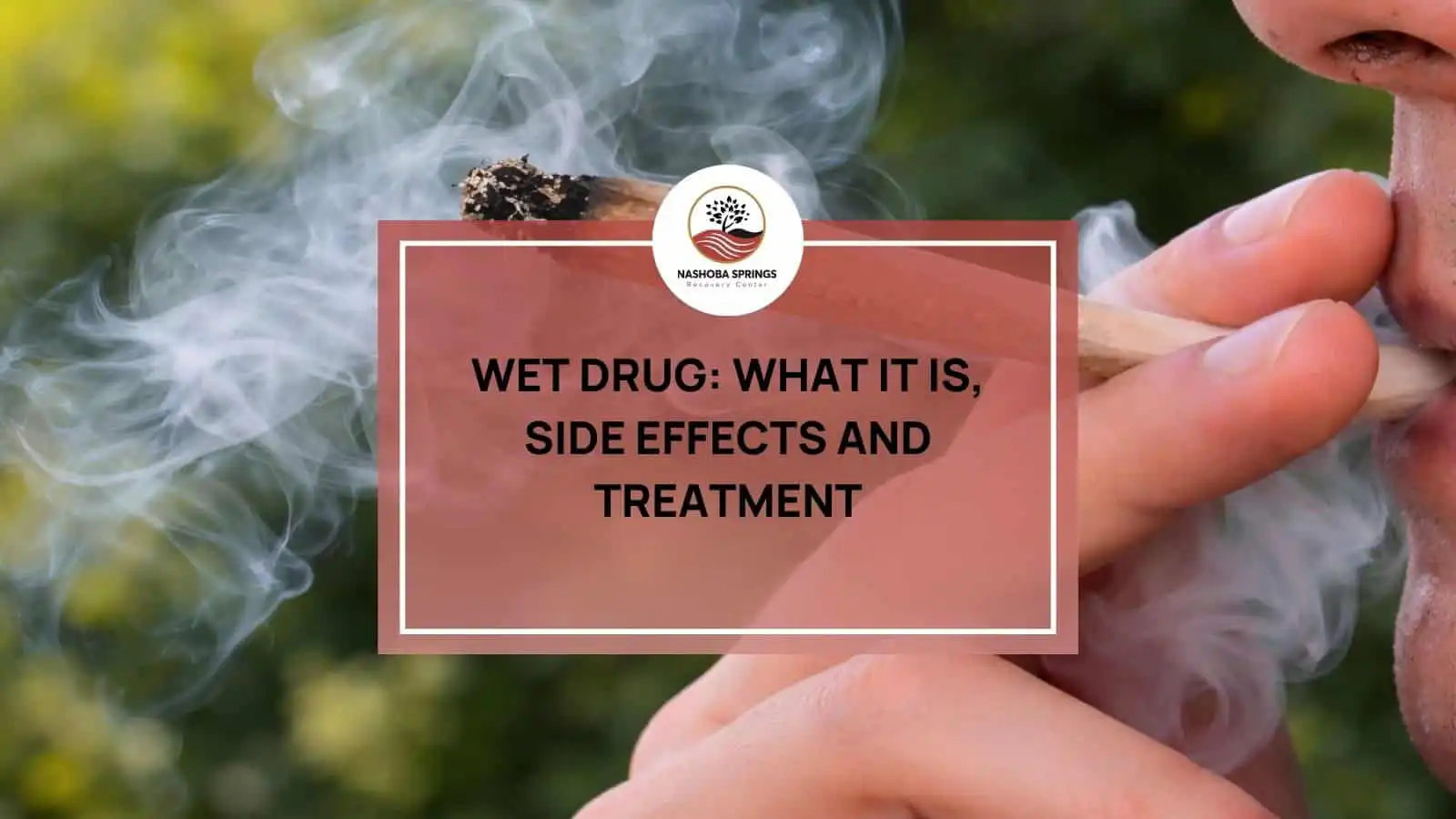
A wet drug is a tobacco cigarette or marijuana joint dipped in liquid PCP (phencyclidine), embalming fluid, or both, then dried and smoked. The term “wet” describes the dipping process itself. This combination produces severe dissociative, hallucinogenic, and psychotic effects that can last hours to days.
Key Highlights
- Approximately 6 million Americans aged 12 and older have used PCP at least once in their lifetime, per the National Household Survey on Drug Abuse cited by the U.S. Department of Justice.
- PCP-related emergency department visits increased more than 400% between 2005 and 2011, rising from 14,825 to 75,538 annual visits, according to SAMHSA’s Drug Abuse Warning Network report.
- No FDA-approved medications exist specifically for PCP addiction.
- Because PCP is fat-soluble, it can remain detectable in urine for up to 30 days in chronic users and can cause unexpected re-intoxication as it releases from body tissue.
What Is a Wet Drug?
A wet drug is a cigarette or marijuana joint soaked in liquid PCP, embalming fluid, or both. Users smoke these treated cigarettes to intensify hallucinogenic and dissociative effects. The term comes from literally dipping or wetting the cigarette before smoking it.
What Are Wet Drugs Made Of?
Wet drugs contain two primary substances: phencyclidine (PCP) and embalming fluid. PCP is a synthetic dissociative anesthetic developed in the 1950s and pulled from medical use in 1965 due to severe postoperative psychosis in patients. Embalming fluid is a preservative mixture used in mortuaries and contains formaldehyde (5-37%), methanol, ethanol, and glutaraldehyde.
Street Names for Wet Drugs
Wet drugs are sold under dozens of regional names. Recognizing these terms helps parents, educators, and clinicians identify when someone is referring to this substance.
| Category | Street Names |
|---|---|
| Wet drug specific | Wet, Fry, Fry Sticks, Illy, Sherm, Sherm Sticks, Dippers, Waters, Love Boat, Lovelies, Killer Joints, Happy Sticks, Death Sticks, Amp, Superweed, Water-Water, Wetdaddy |
| PCP standalone | Angel Dust, Hog, Ozone, Rocket Fuel, Wack, Crystal, Peace Pill, Super Grass, Killer Weed, Boat, Zoom, Stardust, Trank, STP, Venom |
| Combination terms | Space (PCP + cocaine), Black Acid (PCP + LSD), Wobble Weed (PCP + marijuana) |
We Believe In You – No Matter What
We provide every level of care you need for lasting recovery. From detox to aftercare, our team is ready to help you start a new chapter.
How Are Wet Drugs Used?
Smoking is the most common method. A cigarette or joint is dipped into liquid PCP or embalming fluid, allowed to partially dry, then smoked. This produces effects within 2 to 5 minutes, with a peak at 15 to 30 minutes and a total duration of 4 to 8 hours in most cases.
PCP can also be snorted as a powder, swallowed in tablet or capsule form, or injected. Oral ingestion delays onset to 30 to 60 minutes but extends the peak effect window to 2 to 5 hours. Some users report effects lasting 24 to 48 hours depending on dose, individual metabolism, and body composition.
Why Are Wet Drugs So Dangerous?
Several properties make wet drugs more dangerous than most other illicit substances. Understanding these risks helps clarify why early treatment and professional intervention are so urgent.
- Unpredictable composition with unknown chemicals and potency
- Eliminates pain, leading to severe unnoticed injuries
- High risk of permanent psychosis
- Stored in body fat, causing delayed re-intoxication
- Contains carcinogens (e.g., formaldehyde) linked to cancer
- No antidote; treatment is only supportive
- Risk of fentanyl contamination and fatal overdose
Verify Your Insurance Coverage Today
We work with most major insurance providers to make treatment accessible. Check if your plan covers care at Nashoba Springs Recovery.







What Are the Side Effects of Wet Drugs?
The side effects of wet drugs are intense, unpredictable, and potentially life-threatening. Users experience hallucinogenic, stimulant, and depressant symptoms simultaneously.
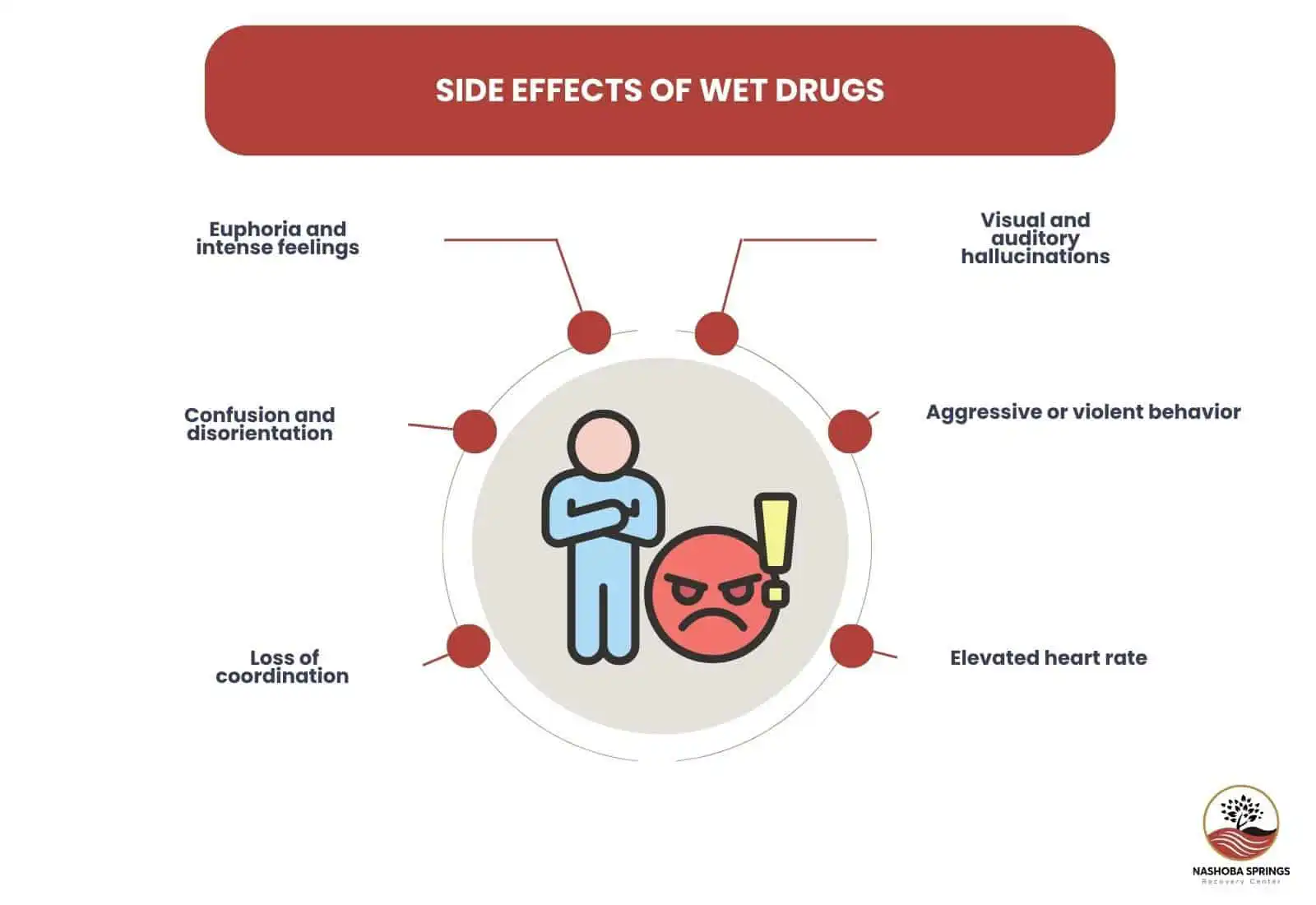
Common side effects of wet drugs Include:
- Euphoria and intense feelings of invincibility
- Visual and auditory hallucinations
- Severe confusion and disorientation
- Aggressive or violent behavior toward self and others
- Elevated heart rate and blood pressure
- Loss of coordination and motor control
- Seizures and loss of consciousness
- Respiratory failure requiring emergency medical care
Long-Term Health Risks of Wet Drugs
Repeated exposure to PCP and formaldehyde causes progressive damage to the brain and major organs. Chronic formaldehyde inhalation increases cancer risk, particularly in the nasal passages, throat, and lungs. Users frequently develop bronchitis, emphysema, and persistent inflammation throughout the respiratory system. Kidney and liver damage are additional documented consequences of ongoing use.
Long-term PCP use disrupts the brain’s NMDA receptor system, impairing memory, attention, and decision-making abilities. Users may develop persistent psychotic symptoms resembling schizophrenia, including paranoia, delusions, and disordered thinking. Research published through the National Institutes of Health confirmed measurable declines in neuropsychological functioning among regular users of formaldehyde-laced marijuana cigarettes.
Are Wet Drugs Addictive?
Yes. PCP use disorder is a formally recognized diagnosis in the DSM-5. Wet drug addiction develops primarily through psychological dependence, where users develop compulsive drug-seeking behavior and lose the ability to stop or control use despite serious harm to their health, relationships, and life.
Wet drugs combine the addictive properties of PCP, nicotine, and THC in a single product, creating a multi-substance dependence profile. Individuals who developed a marijuana addiction alongside PCP dependence require integrated treatment that addresses both simultaneously to achieve lasting recovery.
We Believe In You – No Matter What
We provide every level of care you need for lasting recovery. From detox to aftercare, our team is ready to help you start a new chapter.
Can You Overdose on Wet Drugs?
Yes, and wet drug overdose is a life-threatening medical emergency. Because wet drugs are manufactured without any quality control, the concentration of PCP and toxic chemicals in each batch is completely unpredictable. Modern street supply also carries a real risk of fentanyl contamination, where as little as 2 milligrams of fentanyl can be a fatal dose.
The following overdose symptoms on wet drugs indicate a medical emergency:
- Extreme agitation or complete, catatonic unresponsiveness
- Severely elevated body temperature (hyperthermia)
- Dangerously high blood pressure or an irregular heartbeat
- Seizures or uncontrolled convulsions
- Muscle breakdown (rhabdomyolysis) that can cause acute kidney failure
- Respiratory depression or stopped breathing
- Loss of consciousness, stupor, or coma
What to Do If Someone Overdoses on Wet Drugs
Call 911 immediately and do the following if someone overdoses on wet drugs:
- Avoid close contact if the person is aggressive or highly agitated
- Do not attempt to physically restrain the individual
- Do not offer food or water
- Speak calmly if the person is conscious
- Reduce environmental stimulation (avoid loud noise and bright lights)
- Stay nearby at a safe distance until emergency services arrive
- Inform responders of any known substance use (e.g., PCP or “wet drugs”)
- Understand there is no antidote; treatment is supportive in a hospital setting
- Be aware recovery from severe overdose may take days to weeks
How Long Does PCP Stay in Your System?
PCP has a highly variable half-life of 7 to 48 hours, depending on individual metabolism, body fat percentage, dose, and frequency of use. In chronic heavy users, complete clearance from body tissue can take more than 30 days.
| Test Type | Single Use Detection Window | Chronic Use Detection Window |
|---|---|---|
| Urine | 7 to 14 days | Up to 30 days |
| Blood | 24 to 72 hours | Up to 7 days |
| Saliva | 1 to 10 days | Up to 14 days |
| Hair Follicle | Up to 90 days | Up to 90 days |
Verify Your Insurance Coverage Today
We work with most major insurance providers to make treatment accessible. Check if your plan covers care at Nashoba Springs Recovery.
Wet Drug Withdrawal Symptoms and Timeline
Wet drug withdrawal is primarily psychological and symptoms can be severe enough to require medical supervision, particularly in individuals who have used heavily for extended periods. Below is the timeline for wet drug withdrawal:
| Timeline | Primary Withdrawal Symptoms |
|---|---|
| Hours 8 to 24 | Anxiety, restlessness, irritability, heavy sweating, headaches, and early paranoia |
| Days 2 to 7 (peak) | Intense cravings, severe depression, mood instability, insomnia, nausea, tremors, and elevated body temperature |
| Weeks 1 to 2 | Gradual easing of acute symptoms with persistent sleep disturbances and continued psychological distress |
| Weeks to months (post-acute) | Depression, cognitive impairment, speech difficulties, and memory disruption that can persist 6 to 12 months |
How Is Wet Drug Addiction Treated?
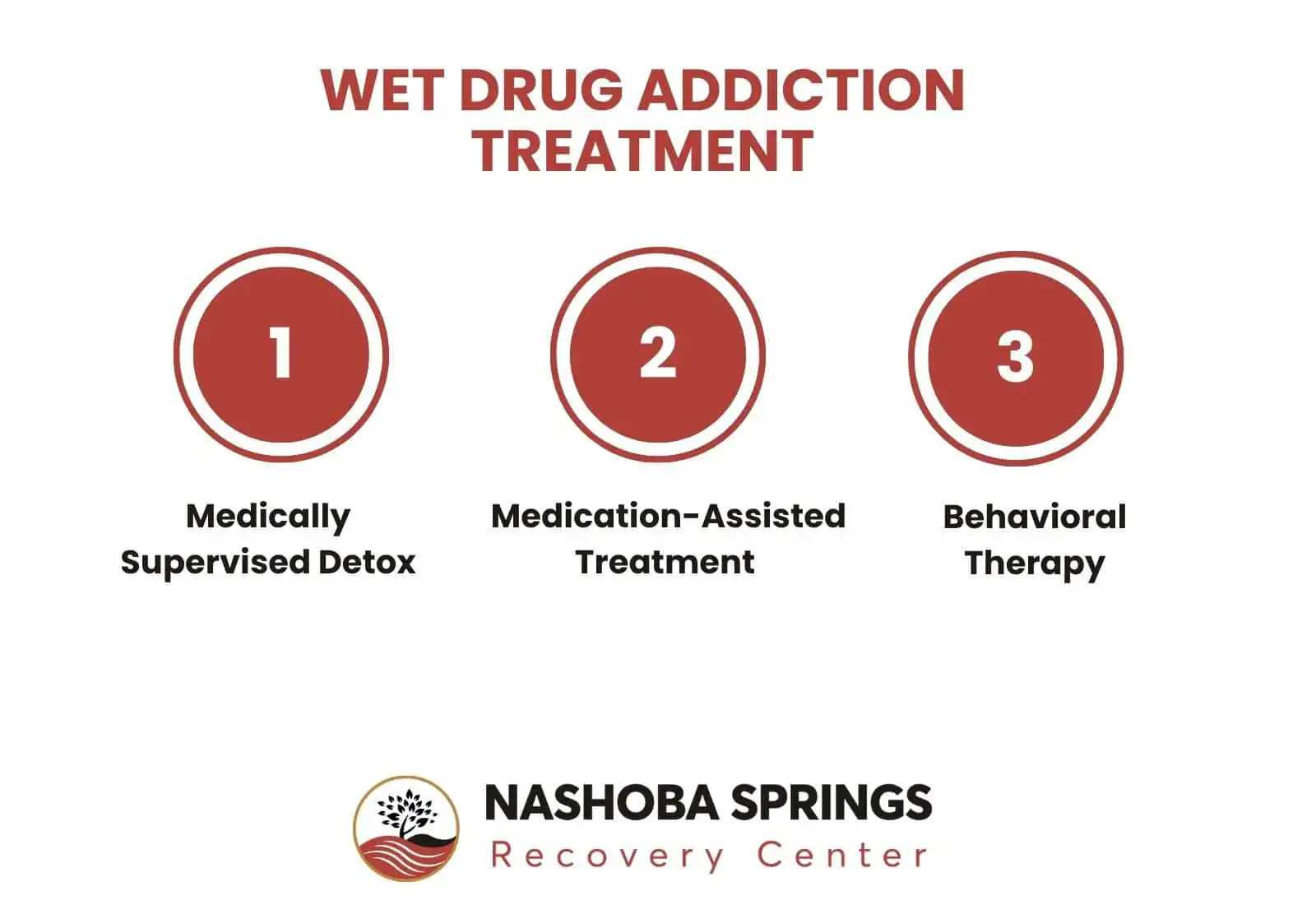
Treating wet drug addiction requires a structured, professional approach that addresses both physical dependence and psychological triggers. Recovery typically begins with medically supervised detoxification to manage withdrawal safely. Healthcare providers monitor vital signs, manage symptoms such as seizures and severe agitation, and maintain physical stability throughout the withdrawal process.
After detox, evidence-based therapies help individuals build skills for long-term recovery and relapse prevention. Cognitive behavioral therapy is especially effective for addressing the thought patterns that drive substance use. Group counseling provides peer support and accountability. Nashoba Recovery in Massachusetts offers medication-assisted treatment across structured program levels, including PHP, IOP, and outpatient care.
For individuals with co-occurring conditions such as anxiety, depression, or PTSD, dual diagnosis treatment that address mental health and addiction simultaneously produce the strongest and most lasting outcomes for sustained recovery.
We Believe In You – No Matter What
We provide every level of care you need for lasting recovery. From detox to aftercare, our team is ready to help you start a new chapter.
Frequently Asked Questions About Wet Drugs
Is possessing or using wet drugs a felony?
PCP is a Schedule II controlled substance under federal law. Possession carries penalties ranging from mandatory minimum sentences to multi-year federal charges depending on quantity and jurisdiction.
Is wet drug the same as embalming fluid?
No. PCP was originally nicknamed “embalming fluid” as street slang before actual mortuary fluid was ever used. Over time, dealers began selling genuine embalming fluid after users requested it by name, believing the slang referred to a real chemical. True embalming fluid contains formaldehyde, methanol, and ethanol, each of which carries its own serious toxicity and health risks completely independent of PCP.
Does wet drug show up on a standard drug test?
Yes. PCP is included in most standard 10-panel drug screenings. Urine tests detect PCP for 7 to 14 days after a single use and up to 30 days in chronic users. Hair follicle tests can detect use for up to 90 days. Because PCP stores in body fat, its detection window is longer than most other substances at every testing type.
References
- Substance Abuse and Mental Health Services Administration. (2024). Key substance use and mental health indicators in the United States: Results from the 2023 National Survey on Drug Use and Health. U.S. Department of Health and Human Services. SAMHA
- U.S. Department of Justice, National Drug Intelligence Center. (2003). PCP fast facts. U.S. Department of Justice. justive.gov
- Drug Enforcement Administration, Diversion Control Division. (2020). Phencyclidine (PCP) drug fact sheet. U.S. Department of Justice.
- MedlinePlus. (2023). Substance use: Phencyclidine (PCP). U.S. National Library of Medicine. Medlineplus
- Meehan, T. J. (2023). Phencyclidine toxicity. StatPearls Publishing. National Center for Biotechnology Information.
- Peters, R. J., Jr., Williams, M., Ross, M. W., Atkinson, J., & McCurdy, S. A. (2008). The use of fry (embalming fluid and PCP-laced cigarettes or marijuana sticks) among crack cocaine smokers. Journal of Drug Education, 38(3), 285-295. PubMed Central.